
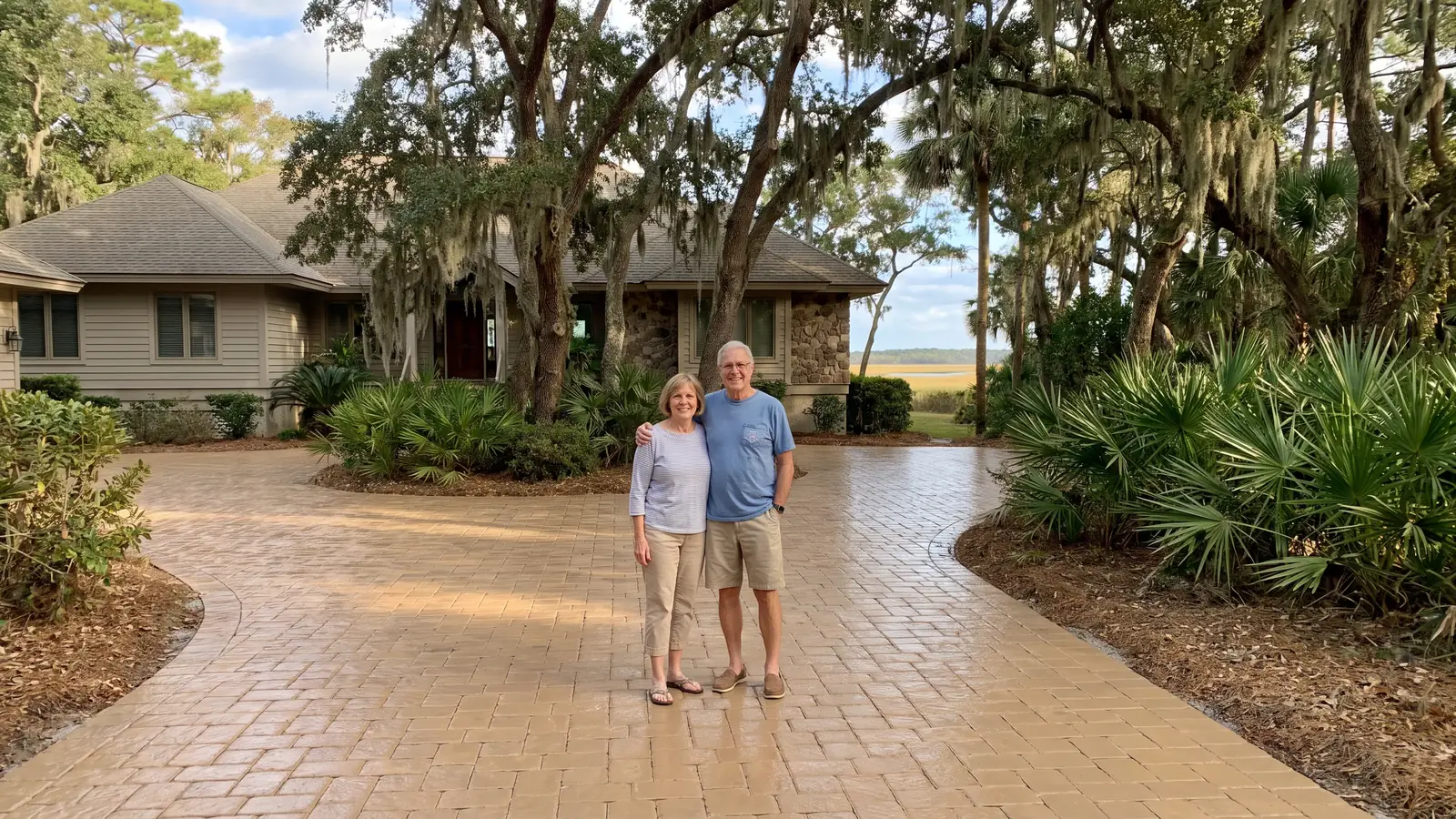
Paver sealing for Sandalwood homes
Paver Sealing in Sandalwood, FL
Sandalwood began in 1960 and 42 percent of homes are not owner-occupied; call (904) 664-0041 for a free sealing estimate.
- Brings out deeper paver color
- Fresh joint sand helps lock pavers in place
- Gives weeds less room to grow
- Makes the surface easier to keep clean
- Free estimate, no obligation
Request a Free Estimate
Free, no obligation.
Fast, careful paver sealing in Sandalwood
Paver sealing in Sandalwood starts with a free estimate for a driveway, walkway or patio. A local contractor takes care of the wash, the sand in the joints and the sealing. Dial (904) 664-0041 and expect to hear back within 1 business day, often much sooner.
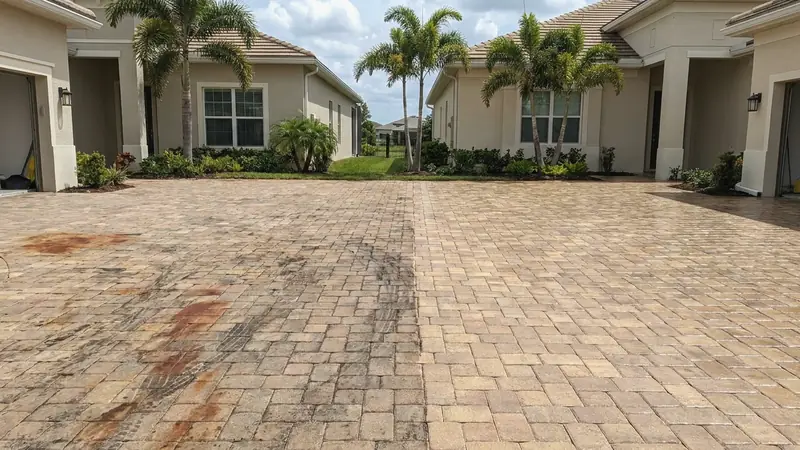
Maybe your driveway has two dark tire lanes, a few oil spots and gaps where the joint sand has drained away. After a wash, new sand and a coat, the lanes fade back into one even color. If you own the home but live elsewhere, you can get a free estimate with a few photos and there is no obligation.
Why hire a local paver sealing contractor in Sandalwood?
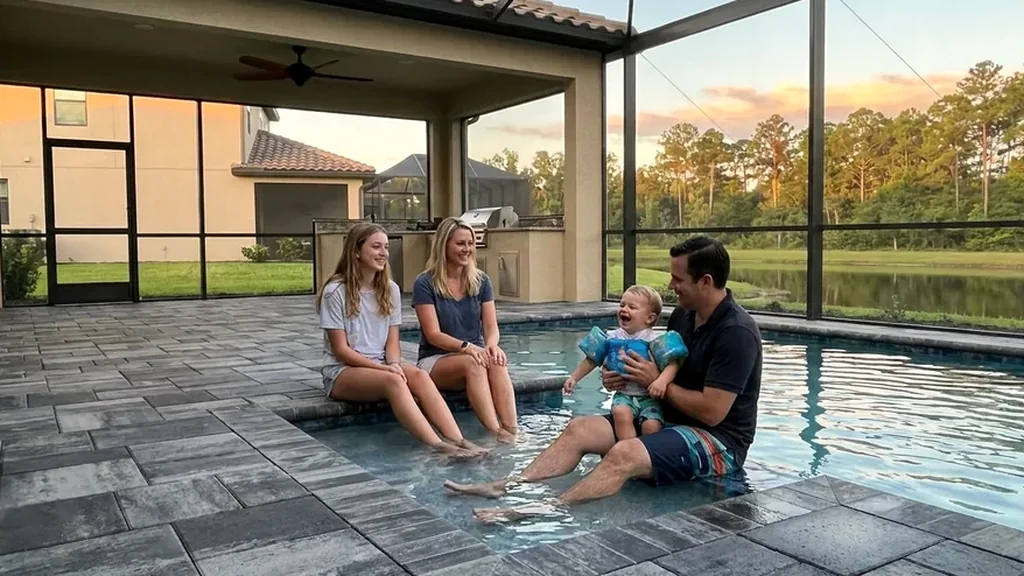
Many Sandalwood homes are rentals or have owners who live elsewhere, so a local paver contractor plans around schedules as well as pavers. To start, call (904) 664-0041.
Free visit or photo review
The contractor can measure your Sandalwood pavers in person at no charge, and a few photos help with a first idea of the work.
A range to compare
Northeast Florida pricing for clean, sand and seal is published at $1.75 to $3.25 per square foot. Compare any Sandalwood bid with it.
Landlord-friendly planning
Owners can set the date, share access details and approve the quote without being at the home. Tenants get notice of the time.
No obligation
You pick the finish and the date and may say no after the quote. A Sandalwood estimate carries no obligation.
Get Your Free Estimate in Sandalwood
Tell us about your pavers in Sandalwood.
Free, no obligation
What paver problems show up most in Sandalwood?
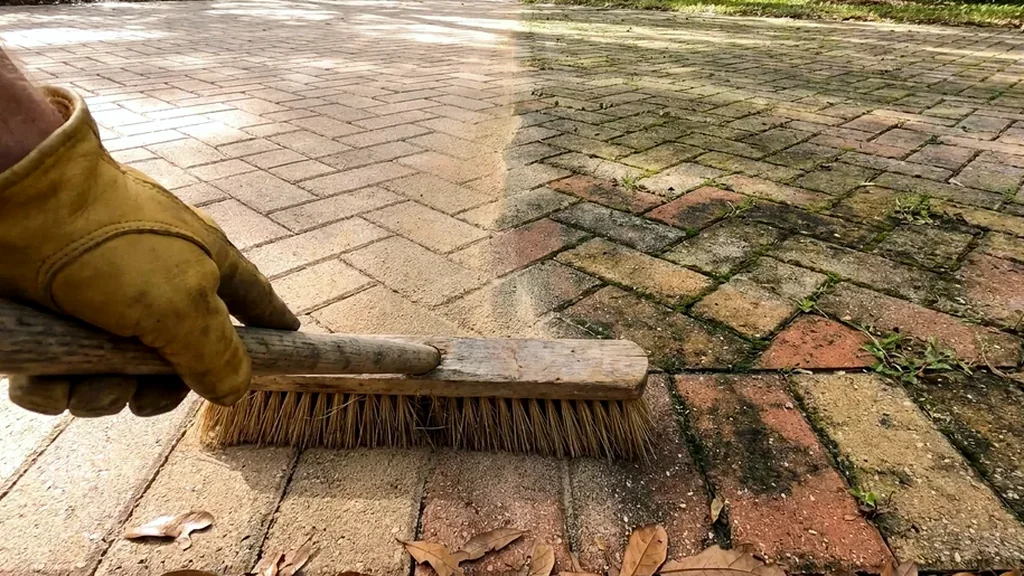
Two worn lanes from daily tires
A Jacksonville paver sealing company says vehicle weight and turning tires loosen joint sand, and a wet look shows wear in drive lanes. Sandalwood is spread out, and most trips start in the driveway. The result is two lanes of thin sealer and gappy joints. Over time those lanes darken and the rest of the driveway looks lighter by comparison. Matte hides that wear better, though both finishes need a refill of sand first. Parking in the same spot every day wears one strip faster. A look at the lanes each season helps you spot it early. The contractor can often even out the coat there.
Oil and rust where the car sits
Drips from parked cars and rust from irrigation leave marks that sealer would trap. On a driveway where the same car sits every night, the spot can look like a dark coin. Cleaning has to reach it before the coat goes on. A Jacksonville company says it pre-treats stains and many lighten a lot, though a few deep oil or rust marks may stay. UF/IFAS notes that well water high in iron often leaves orange streaks on a sprinkled driveway. Aiming the spray heads away from the driveway keeps new streaks from forming. A rust treatment is a separate step from the wash, and it shows up as a line in the quote.
Sand that drains away
The USDA describes the Ortega soil series, mapped in Duval County near Beach Boulevard, as moderately well drained with rapid permeability. Sandy ground like that drains fast, and joints empty with it in a hard summer rain. Over a few seasons a full joint becomes a half-empty one. Fresh sand goes in after washing and before sealing, and the coat holds it in place. Joints that stay full also give weeds and ants less room. A driveway with open joints is a sign the last refill is long past. The contractor can say how much sand the job will take.
A coat from some other owner
Sandalwood began in 1960, and a real estate profile finds 42 percent of its parcels are not owner-occupied. A driveway that has passed through several owners or tenants may carry a mix of coats. Layers of old sealer matter, since a water-based product cannot go over a solvent-based one. A shiny patch next to a dull one is a clue. Photos in side light show the layers best, and the contractor can test a small spot.
Storm water moving toward the creek
Pottsburg Creek runs through the Southside and southern Arlington, and rainwater and storm drains feed it. Heavy rain sends water across driveways on its way there, and it carries sand from the joints. The sand lands in the gutter or the storm drain, and it does not return by itself. A driveway that slopes toward the street loses sand first. Point that slope out at the visit. The contractor can fill the joints along the low edge first, since that is where sand leaves. Checking that no water pools against the curb is part of the visit.
Can an owner who lives away get paver sealing done in Sandalwood?
Yes, and many do. A real estate profile says 42 percent of Sandalwood parcels are not owner-occupied, and 10 percent are owned from out of state. The contractor can quote from photos and a measured visit, The photos show the pavers, the stains and the slope. Call (904) 664-0041 with whatever you know about the property.
Another 14 percent of parcels are held by a trust or an LLC, so a quote that is easy to forward helps. Ask for one page that lists the area, the product, the finish and the date. Owners and managers can then approve it by phone. Tell the contractor who signs when you get a free estimate.
Sandalwood has 296 homes built from 1960 to 2019, so pavers here come in many ages. A contractor who sees the street can tell which lots have older pavers and which have newer ones. None of 25 geocoded homes sit in a FEMA flood zone, but heavy rain still moves sand. Call (904) 664-0041 and name your street.
What does paver sealing cost in Sandalwood?
A full clean, sand and seal is commonly published around Northeast Florida at $1.75 to $3.25 per square foot. In Sandalwood, oil stains, rust marks and lost joint sand move a bid around inside that range. Walkways and patios add area on top of a driveway. To see a number for your driveway, get a free estimate, and the estimate is free.
A single driveway costs less in total than a driveway with a walkway and patio. A failed coat that must come off costs more than a straight clean, sand and seal. For a quick read on which of these apply to your lot, call (904) 664-0041.
| Paved area | Typical example | Clean, sand and seal |
|---|---|---|
| 300 sq ft | Small patio or walkway | $525 to $975 |
| 600 sq ft | Two car driveway | $1,050 to $1,950 |
| 1,000 sq ft | Large driveway or pool deck | $1,750 to $3,250 |
| 1,500 sq ft | Driveway plus pool deck | $2,625 to $4,875 |
Math based on the $1.75 to $3.25 per square foot that Northeast Florida paver companies published as of November 2026. Your contractor sets the actual price after seeing the surface. Repairs, leveling and stripping failed sealer are usually extra.
How does a paver sealing job work in Sandalwood?
Confirm who decides and who has access
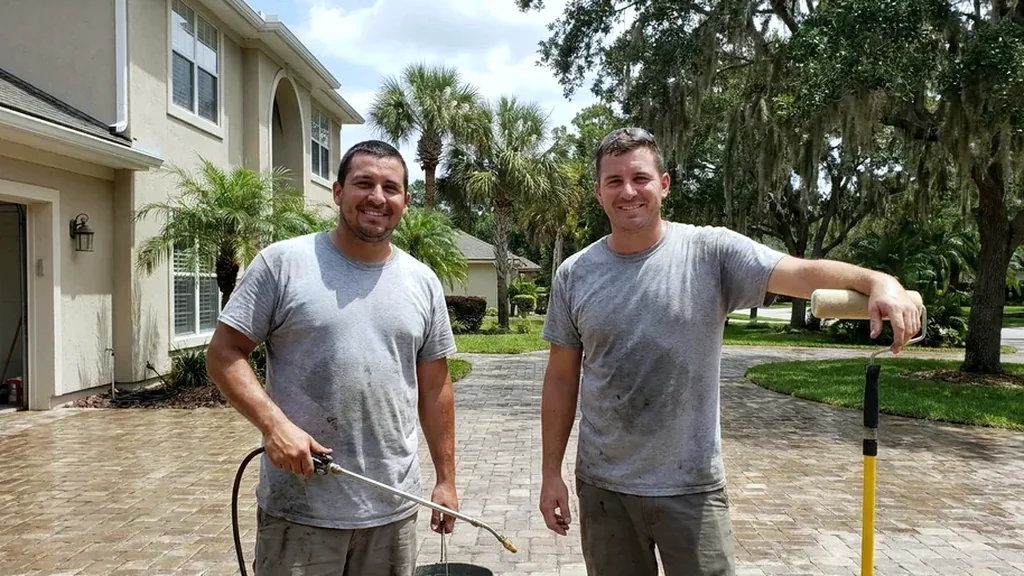
The contractor first asks who owns the property and who will be home. Owners can approve by phone, and tenants get a date and time. Next the contractor checks the surface for low spots, worn edges, stains and old sealer. The old product matters, because water-based sealer cannot be used over a solvent-based coat. The price comes in writing, and the owner decides whether to proceed. A one-page quote is easy to forward.
Treat the stains and wash the surface
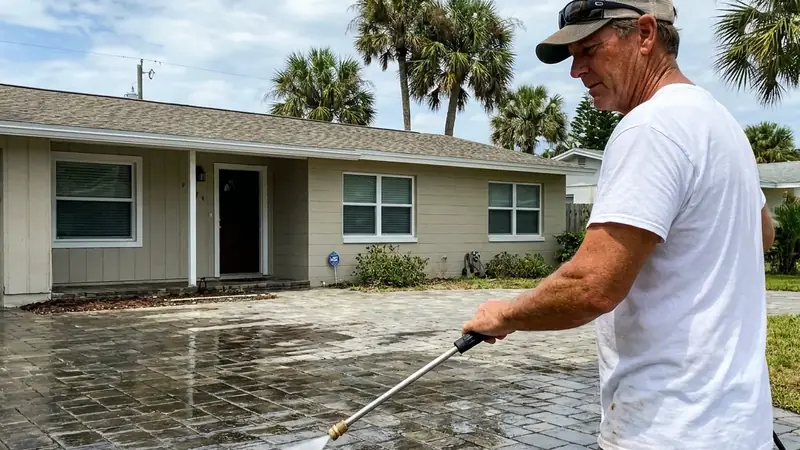
Oil drips and rust marks are treated before the wash, with a cleaner chosen for each stain. A Jacksonville company says many lighten a lot but some deep stains do not come out. The surface is then cleaned of dirt and green film. Clean pavers take the coat evenly, so the two tire lanes stop standing out. Rinse water stays off the street side and is steered to the lawn.
Refill the joints and fix low spots
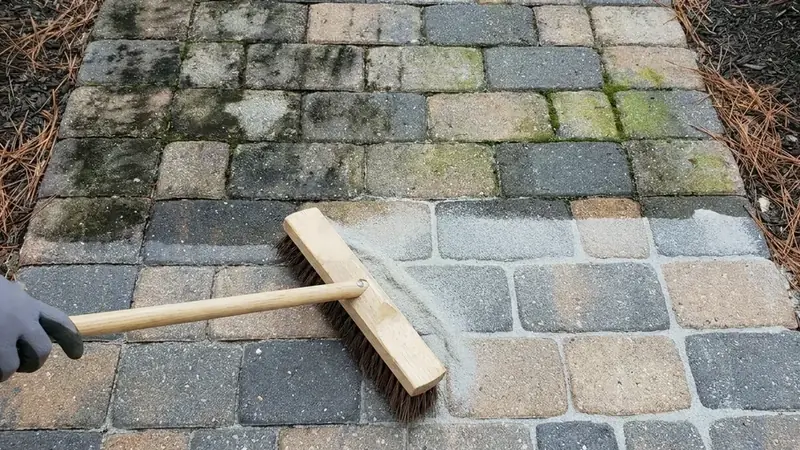
Washing pulls sand from the joints. Fresh sand goes in before the coat, then the surface is swept clean. Lifted or sunken spots are reset first, because sealing keeps any dip. A lifted corner at the walkway is a trip hazard too, so it is worth fixing. On sandy ground, joints that look full in spring can look thin by fall. The sealer then holds the new sand in place, which slows the next round of loss. If the sand has been low for years, expect this step to use more than you think.
Wait for dry pavers
A dry surface comes first, and Jacksonville gets most of its rain from May to September. A damp driveway can turn a wet look cloudy white. The crew checks the pavers and the forecast, then moves the day if needed. Early morning dew can leave a surface damp, so the start time is chosen with that in mind. Tenants get a new time, and the owner gets a quick message. A short delay costs much less than redoing a cloudy coat.
Apply the finish you picked
Now the matte or wet-look coat goes down. A wet look shows scuffs and drive-lane wear sooner than matte, so the choice depends on how the driveway is used. Quoted spans between coats run two to five years. Tenants can usually walk on it within a few hours, but cars need about a day, so street parking is the plan. Keep pets away from the surface for the cure time.
Complete paver services in Sandalwood
A Sandalwood job runs in order: treat stains, wash, re-sand, dry and seal. Stains come first so the coat does not trap them, and sand goes in before the sealer so it stays put. Every step is written down in the quote, so an owner or manager can read it. To ask how long each part takes, call (904) 664-0041.
Driveways carry most of the load, with tires, drips and sprinkler spray. Walkways beside the house collect shade and damp, and patios take sun, chairs and planters. Every surface wears differently and gets a plan of its own. Share your surface list when you get a free estimate, even if it is just a drive and a walk.
Sealer choice has two parts: what it is made with, water or solvent, and how it finishes. A solvent coat from a past owner blocks a water-based product from going on top. Matte hides drive-lane wear better, and a wet look shows more color. For help picking a finish, call (904) 664-0041.
Sealing needs a dry surface, so the Jacksonville rainy season from May to September can move a date. Winter and early spring give more dry days. Tell the contractor about any rental turnover date so the job lands between tenants. To pick a day, get a free estimate.
Questions to ask before you hire
- If it rains the night after you seal, what happens to the coat?
- Do you carry liability insurance, and can I see the policy before you start?
- If the sealer starts to flake in a few months, who do I call?
- What do you do about the white powder that keeps coming up through my pavers?
- Which sealer would you use here, and does the salt air off the Intracoastal change that choice?
- Is the wash, the new joint sand and lifting any low pavers part of your price?
- Can you do the driveway and the pool deck in the same visit?
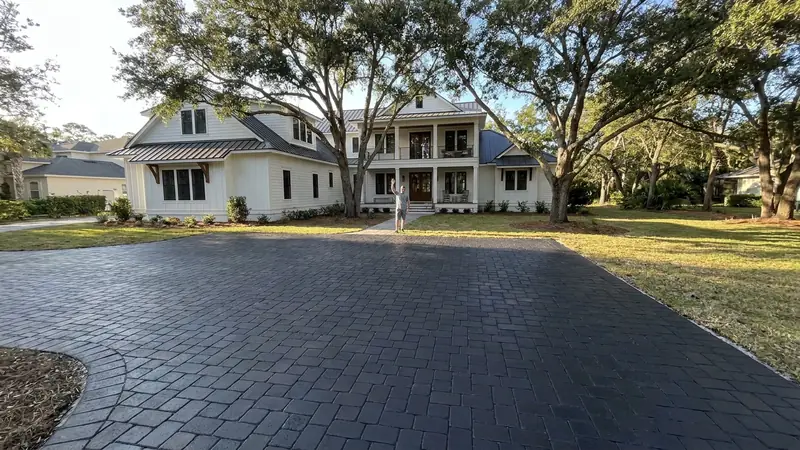
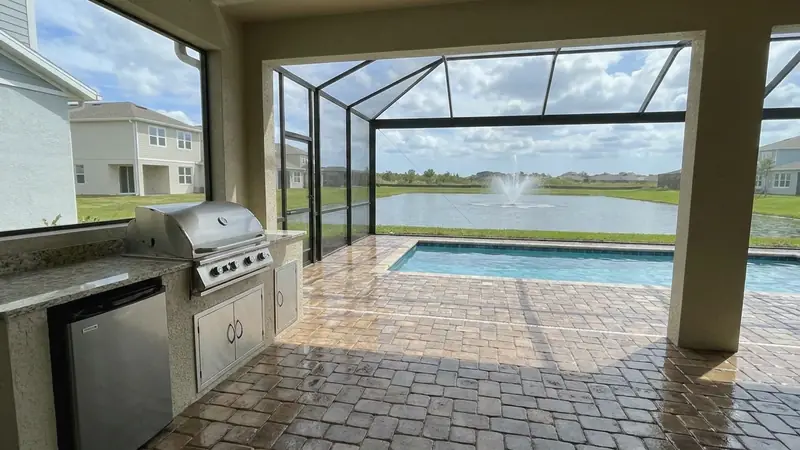
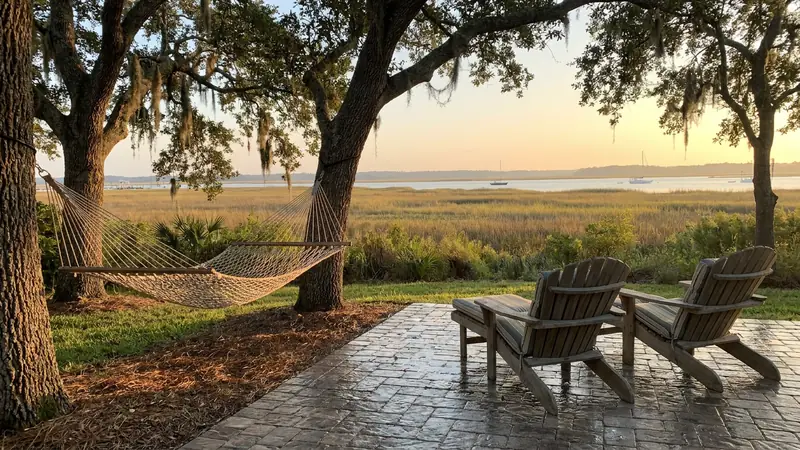
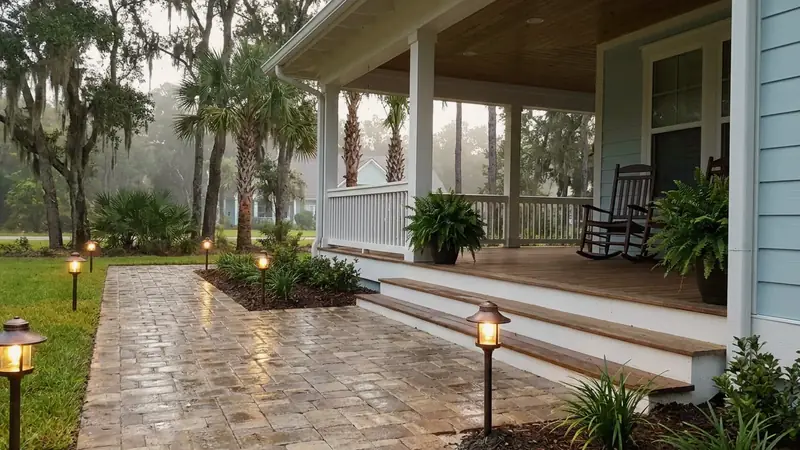
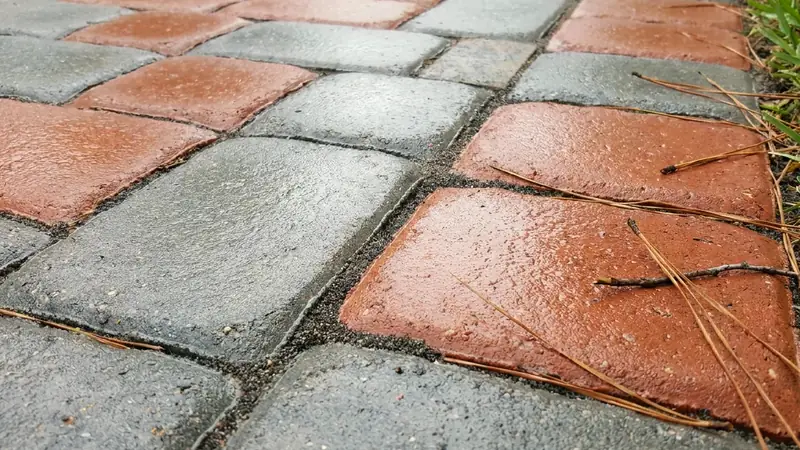
What do sealed pavers look like around Sandalwood?
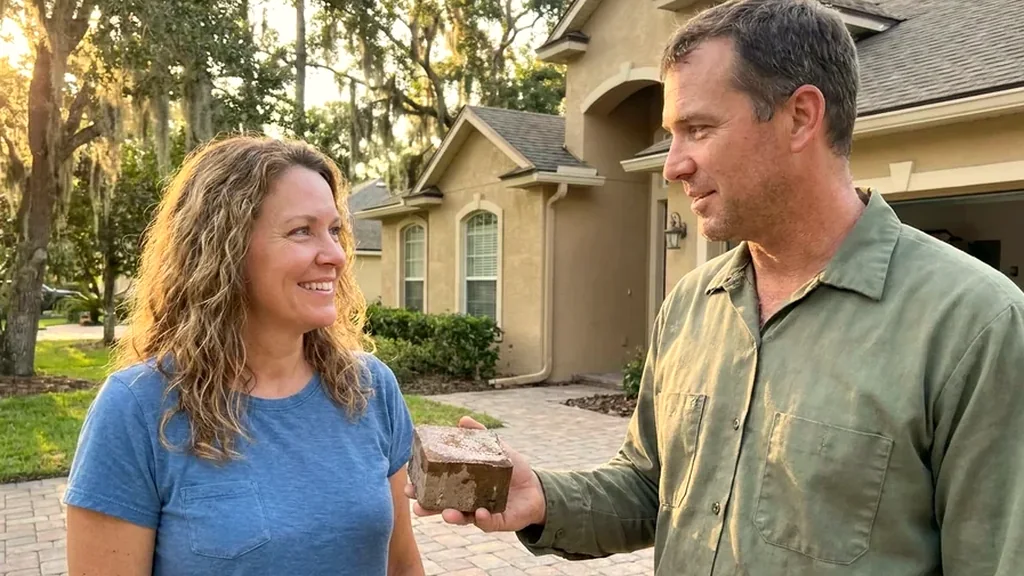
Why local matters in Sandalwood
A contractor who knows Sandalwood expects rentals, absent owners and tight schedules. That means a clear quote, a firm time window and a notice for tenants. A company used to owner-occupied streets may skip those steps, and that can lead to a missed visit. To talk with a contractor who knows these streets, call (904) 664-0041.
Local work also means knowing the ground. Sandy soil sheds joint sand, and storm water runs toward Pottsburg Creek and the storm drains. A contractor who covers the Southside and Arlington sees both on the same day. You can get a free estimate and mention any sand piled at the curb.
The neighborhood is old enough to have layers of coats. A local contractor treats an unknown coat as a question, not a guess. That saves you from a cloudy or peeling finish that costs more to fix. Call (904) 664-0041 and describe what you see on the pavers.
Where is Sandalwood, and what is nearby that helps me describe my street?
It sits midway between downtown Jacksonville and the beaches, about 6 miles from each. The neighborhood began developing in the spring of 1960, and an ad of the time called it halfway between business and pleasure. Pearce-Uible, the builder, was based at 3850 Beach Boulevard. If you live near Beach Boulevard, get a free estimate and name your street.
Sandalwood High School, at 2750 John Prom Boulevard, opened in 1971. Its outdoor pool becomes a free public pool in summer, run by the city. ZIP 32246 had 58,105 residents in 2020, so the area is large and busy. For a quote near the school or the pool, call (904) 664-0041 and tell the contractor which one.
Frequently Asked Questions
Why is paver sealing so expensive in Sandalwood?
Time on the surface, not the sealer, drives the price. Stain treatment, a wash, drying time and a sand refill add up to hours before any coat. Companies commonly publish $1.75 to $3.25 per square foot for the whole job, and a failed old coat costs more. A bid far below that range often leaves out the joint sand.
What is a good water-based paver sealer for a Sandalwood driveway?
Many contractors use a water-based sealer, but only if the old coat allows it. A water-based product cannot be applied on top of a solvent-based one. Ask the contractor to name the product and to say how it will look, matte or wet. Keep the name on file for the next coat.
How long will paver sealing last in Sandalwood?
Companies commonly give two to five years as the time between coats. A busy driveway with two tire lanes wears toward the short end, and a lightly used walkway toward the long end. Water that beads shows the coat is working, and water that darkens the pavers means it is worn. Shaded walkways can last longer than a sunny drive.
What does it cost to get pavers cleaned and sealed in Sandalwood?
Published prices around Northeast Florida run from $1.75 to $3.25 per square foot to clean, sand and seal. A driveway alone costs less in total than a driveway with a walkway and patio. The estimate is free and lists the area. Ask for the square footage in writing.
Can a landlord order paver sealing for a Sandalwood rental?
Yes. The owner or manager approves the quote and sets the date, and the contractor gives tenants a time window. Cars stay off about a day, so tenants should plan for street parking. People can usually walk on it again in a few hours.
Will oil stains and tire marks come out before sealing in Sandalwood?
Many lighten a lot, but a few deep oil or rust marks may stay. A Jacksonville company pre-treats stains before sealing for that reason. Sealer would lock any stain in, so the treatment comes first. A faint leftover mark is explained before the work begins.
Does sandy soil change how often Sandalwood pavers need new joint sand?
It can. The USDA lists nearby Ortega soils as rapidly permeable, so water and sand move fast after hard rain. Joints are refilled after washing and before sealing, and the coat holds the new sand in place. Weeds and ants then have less room to settle in.
What if I do not know what sealer is on my Sandalwood pavers?
The contractor will check before choosing a product, because water-based sealer cannot go over solvent-based sealer. Photos of any peeling or shiny patches help. Should the old coat be the wrong type, stripping it comes first, and the quote shows it. A first photo helps the contractor give a rough answer the same day.
Ready for a Free Estimate in Sandalwood?
Call (904) 664-0041 and tell us about your pavers.
Free, no obligation